Growing Flowers: A Designer's Honest Review
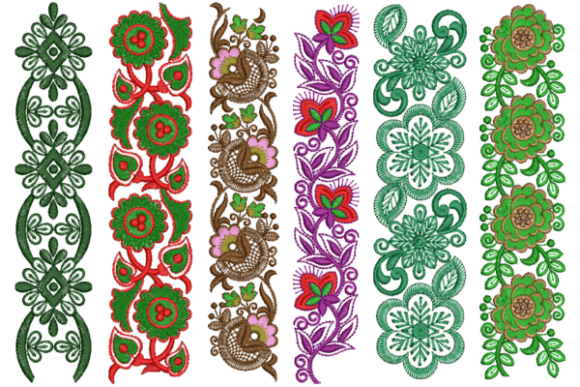
There is something quietly joyful about a border design that feels intentional without trying too hard. When I first opened the Growing Flowers pattern, I immediately pictured it stitched along the hem of a linen apron, trailing upward like something from a cottage garden. It is not fussy. It is not overly ornate. It is the kind of machine embroidery design that makes you want to start a project right then and there, just to see how the petals settle into the fabric.
What caught my eye first was the gentle upward movement of the motif. Many border designs sit flat and static, but Growing Flowers has a subtle rise to it, as if the stems are genuinely pushing out of the soil. That organic shape gives it a soft, storybook quality. I could see it on a child's dress, a nursery blanket, or even a set of cloth napkins meant for spring gatherings. The personality here is warm and approachable. It does not scream for attention, and that is precisely why it works so well in handmade product settings where customers want something charming but not loud.
From a design evaluation standpoint, the motif reads clearly even at a quick glance. The flower heads are distinct, the stem curves are smooth, and the overall silhouette holds up without getting lost in unnecessary detail. When I previewed it in a black-and-white mockup to test shape recognition, the outline stayed crisp and legible. That matters enormously when you are building a craft business or listing on Etsy, because a design that turns into a blurry blob from three feet away will never outsell one that stays recognizable. Growing Flowers passes that test comfortably.
Where Growing Flowers Truly Belongs
I have tested enough embroidery file options over the years to know that not every border design plays nicely across different products. Some demand flat, stable surfaces. Others get fussy on textured fabrics. Growing Flowers, however, feels most at home on pieces that benefit from a vertical decorative accent along an edge or a seam. Think of a tote bag design where the flowers climb up one side panel, or a pillow cover where the motif frames a monogram in the corner. The verticality of the pattern makes it especially useful for elevating simple rectangular projects that otherwise risk feeling plain.
I recently used it on a custom embroidered apron for a client who runs a small bakery. She wanted something botanical but not overwhelming. I stitched Growing Flowers along the left side of the apron bib in a soft sage green thread, and the result was exactly what she hoped for: delicate, professional, and fully aligned with her brand. The design gave the apron a boutique product feel without requiring hours of extra stitching. That balance of visual impact and manageable stitch time is something I always look for when choosing patterns for client work or small shop merchandise.
Growing Flowers also lends itself beautifully to baby embroidery and nursery decor. I tested a smaller version on a cotton baby blanket, placing the motif along the bottom edge like wildflowers growing up toward the center. It added just enough sweetness without tipping into saccharine territory. For Etsy sellers and makers who specialize in personalized gift items, this pattern would pair wonderfully with a small embroidered name or date tucked above the flowers on a onesie, a burp cloth, or a lightweight swaddle blanket.
The Real-Life Test: A Sweatshirt, A Cap, and a Tea Towel
Before I ever recommend a design to fellow makers, I run it through a few real-world scenarios in my head — and on my machine. Here is how Growing Flowers performed across three very different surfaces.
On a cotton sweatshirt, the design stitched out cleanly with a medium-weight cutaway stabilizer. The satin stitch sections on the petals held their shape well, and the fill stitch areas inside the leaves did not feel overly dense or stiff against the fleece backing. I did notice that the stem details, which rely on running stitch lines, benefited from a slightly slower machine speed to maintain precision on the knit fabric. The finished look was polished enough that I would confidently list a sweatshirt embroidery piece in my shop with this design as a featured accent.
On a structured baseball cap, I had to exercise more caution. The curved surface of a cap demands designs with a lower profile and fewer tiny isolated details near the edges. Growing Flowers worked well when I positioned it along the side panel rather than the front, where the tighter curve might distort the taller flower stems. If you are considering this for cap or hat embroidery, I would strongly suggest testing it on a similar curved scrap first and possibly scaling it down slightly. The design is not inherently cap-unfriendly, but it does want a flatter canvas to shine at full height.
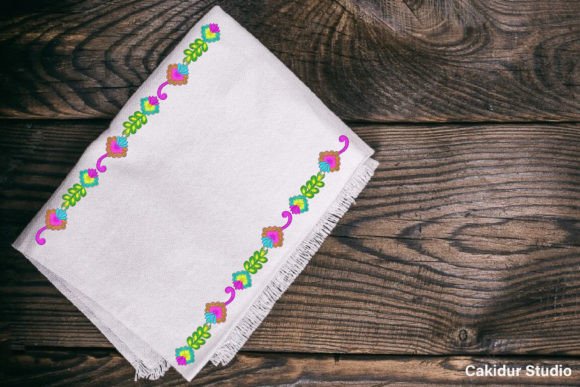
The tea towel test was, without exaggeration, where Growing Flowers truly bloomed. On a smooth linen-cotton blend, the stitch definition was beautiful. The thread colors I chose — a muted coral for the blossoms and olive for the foliage — sat perfectly against the natural fabric. This is the kind of project I would make in batches for a craft fair, perhaps with a simple hemstitch border and a coordinating ribbon tied around the folded towel. It looks handmade in the best possible way: intentional, skillful, and utterly giftable. For holiday gift planning or seasonal market prep, this design on kitchen linens is a low-risk, high-reward move.
What Makes Growing Flowers Work as a Commercial Asset
If you are building a product line or selling finished product items, you need designs that do more than look pretty on a screen. You need designs that stitch reliably, photograph well, and create an emotional response in the buyer. Growing Flowers checks those boxes. The theme is universally appealing without being trendy. Flowers, particularly ones drawn with this kind of soft botanical honesty, do not go out of style. A customer buying an embroidered tote or a baby blanket with this motif is not chasing a fad. They are buying something that feels enduring and sincere.
From a branding perspective, the design offers enough neutrality to fit into multiple aesthetic lanes. It can read as rustic farmhouse with the right thread palette, or fresh and modern with bright, clean colors on white cotton. That versatility means you can use it across different digital embroidery file collections or product categories without your shop looking disjointed. For creative entrepreneurs who also sell printable mockup previews or design assets, Growing Flowers photographs beautifully against both light and dark backdrops, which makes it a strong candidate for listing images and social media content.
Thread Choices, Fabric Pairings, and Practical Adjustments
Thread selection can make or break a floral design. With Growing Flowers, I found that using a slightly variegated thread for the petals added depth without complicating the stitch path. If you stick with solid colors, aim for a palette that gives clear contrast between the blossoms and the leaves. The design does not have excessive stitch density, so it breathes well on midweight fabrics, but on very thin or loosely woven material, you will want to add a layer of tear-away or wash-away stabilizer to prevent puckering. I also recommend running a test on dark fabric to confirm that the flower outlines remain visible. On black cotton, I needed to brighten my thread choices by a shade or two to keep the design from receding into the background.
One thing I learned quickly: this is not a design to cram into a small hoop size without thoughtful scaling. If you shrink it too much to fit a compact embroidery area, the stem details and petal edges can lose clarity. Pay attention to your machine's minimum detail tolerance and do a stitch-out before committing to a tiny version on a baby sock or a narrow ribbon. The design breathes best at a moderate to generous size where each flower has room to show its shape.
A Quick Note on Licensing and Project Planning
Before you stitch Growing Flowers onto anything destined for sale, double-check the usage terms that came with your purchase. Many designers allow commercial embroidery on finished items but restrict reselling or sharing the digital file itself. If the product description does not explicitly state the license scope, reach out to the designer and ask. This small step protects your craft business and keeps everything above board. I always keep a simple folder with license confirmations for every design I use in client work or retail inventory. It takes five minutes and saves hours of worry later.
Who Should Stitch Growing Flowers
This design is going to resonate most with makers who love soft, nature-inspired details and want something that feels hand-drawn rather than mechanically perfect. It suits apparel decorators who need a reliable border for women's clothing, children's wear, or accessory accents. It works for small business owners who build product collections around seasonal themes, garden motifs, or giftable home goods. And it is a fantastic addition to any digital product seller's library if you create mockups or preview bundles and need a fresh, appealing design to showcase.
For hobbyists, this pattern offers an enjoyable stitch experience without overwhelming complexity. The stitch types are well balanced, and I did not encounter any unnecessary trims or jumps that would frustrate a newer embroiderer. It is forgiving without being simplistic, and that is a genuinely rare sweet spot.
After multiple test runs across different fabrics and products, I can say with confidence that Growing Flowers earns its place in my active design rotation. It is not trying to be the star of every project. Instead, it does something harder: it makes whatever it touches feel more thoughtful, more finished, and more alive. In a market flooded with embroidery options, that quiet reliability is exactly what keeps customers coming back.
Final Thoughts Before You Start Stitching
Spend a few minutes planning your first project with Growing Flowers instead of rushing straight to the machine. Test on a scrap of your actual project fabric. Adjust your thread palette until the contrast feels right. Consider where the design will sit on the finished piece and whether the surrounding space lets it breathe. A border design this nicely proportioned deserves a little framing consideration. Treat it like you would a hand-painted detail on a ceramic mug. The placement matters almost as much as the stitch quality.
If you treat Growing Flowers as a design that rewards patience and a bit of creative direction, you will end up with something you are proud to sell, gift, or simply keep for yourself. That is the kind of pattern worth having in your collection.