Blossom Harmony Embroidery Border: A Seasonal Review
First Impressions of the Blossom Harmony Border
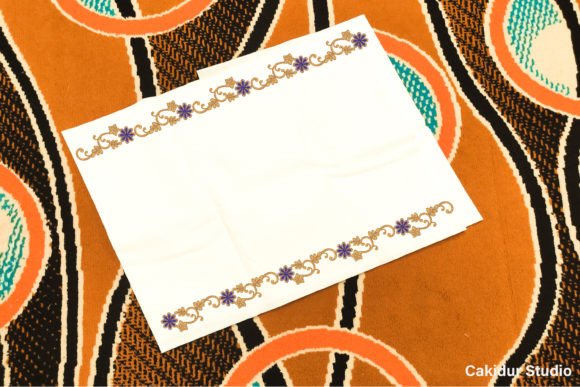
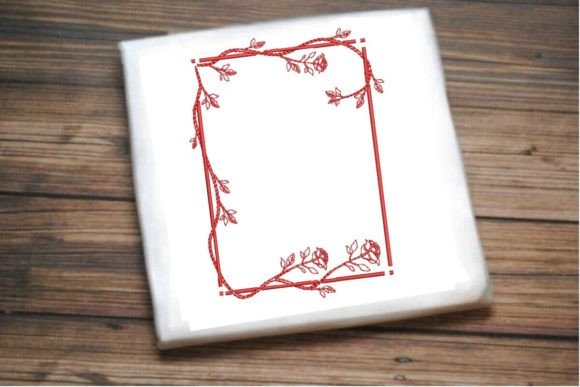
When I unzipped the download and previewed the Blossom Harmony Embroidery Border, my immediate thought was how effortlessly it could slide into a spring collection. The delicate fusion of flowers and charming decorations feels fresh, thoughtful, and quietly romantic. It’s not a loud, oversized motif — it’s a refined border design that whispers elegance along hems, cuffs, and linen edges. The linework suggests movement, almost like a gentle vine twining across fabric, and the balance between open spaces and stitched details already has me picturing pastel thread palettes on soft cotton.
This embroidery file arrived as a fully digitized machine embroidery design, so my job now is to see if it holds up under real holiday selling pressure. Will it stitch cleanly on kitchen towels for Mother’s Day? Can it become a signed piece in my Etsy shop’s limited‑edition Easter bundle? That’s what this review is all about.
The Seasonal Mood: Romantic, Cozy, and Gift‑Ready
The Blossom Harmony Embroidery Border carries a mood that sits comfortably between fresh springtime and understated holiday charm. The flower forms are soft, not overly detailed, which makes color changes incredibly powerful. In blush pinks and sage greens, it reads as a perfect Easter or Mother’s Day accent. In ivory, soft gold, and pale blue, it transforms into a winter‑floral moment ideal for New Year’s table linens or handmade gift bundles. The little decorative elements — tiny dots, curved leaves, and what look like scattered buds — add a playful, almost vintage‑nostalgia feel without tipping into cute territory. It’s elegant enough for wedding keepsakes, yet simple enough for a child’s pillow cover.
As a designer building seasonal embroidery collections, I’m always hunting for designs that feel emotionally generous. This border does that. It suggests care and handmade warmth, the kind of thing a customer would proudly give as a personalized gift. That emotional hook is gold during the holiday shopping rush.
Real Holiday Selling Situations: From Etsy Listings to Craft Fair Tables
I’ve been testing this digital embroidery file across several mockup scenarios that mirror what my shop and many Etsy sellers actually produce for seasonal drops. Here’s how it behaves:
- Sweatshirt embroidery: Placed along a crewneck’s side seam or just above the cuff, the border adds an unexpected detail that photographs beautifully. It turns a plain sweatshirt into a handmade gift without overwhelming the garment. Keep the hoop size manageable and use no‑show mesh stabilizer for a clean finish on fleece.
- Tote bag design: A line of Blossom Harmony along the top hem of a canvas tote immediately upgrades the bag. It feels like a boutique find. Paired with a monogram, it becomes a personalized gift for bridal parties or Valentine’s Day.
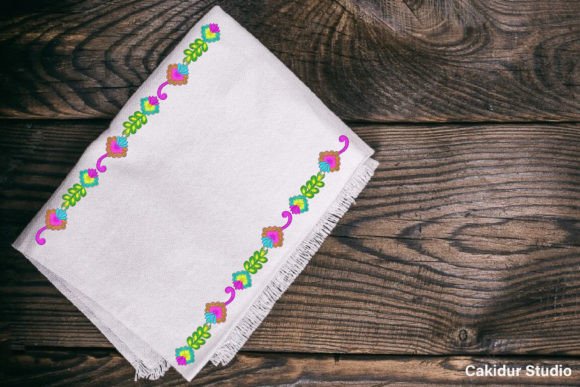
- Kitchen towel embroidery: This is where the design truly shines. A single repeat stitched in a contrasting thread on a flour‑sack towel gives rustic yet refined appeal. For holiday kitchen gift sets, I tested it on red towels with white thread for Christmas and on soft yellow with lavender for spring brunch bundles.
- Pillow covers and table linens: The border works beautifully along the edge of a linen pillow cover or around a table runner. Using metallic threads for a holiday dinner party? Yes, but test carefully — more on that in a moment.
- Embroidered patch: While the design is a border, a single flower grouping can be isolated and made into a small patch for baby blankets or jean jackets. This requires some editing skills, but it expands the product range.
- Baby items and nursery decor: Stitched in soft creams and pale mint, the border adds charm to burp cloths, crib sheets, or a receiving blanket hem. It’s gentle and gender‑neutral, perfect for gift‑oriented seasonal collections like spring baby showers.
In every case, the finished product looks intentional, high‑value, and seasonally appropriate. When I display these next to my other seasonal embroidery designs at a craft fair, they’ll hold their own because the design’s simplicity invites customers to imagine it in their homes.
Where the Blossom Harmony Border Demands Extra Caution
No design is perfect for every surface, and the Blossom Harmony Embroidery Border has a few specific quirks you’ll want to respect before mass‑producing holiday inventory:
- Small hoop sizes: Because it’s a border, the design expects a wider hoop. If you try to squish it into a 4x4 hoop, scaling may cause tiny elements to close up or lose definition. Always check the design’s original dimensions and match your hoop accordingly.
- Tiny lettering (if any): I didn’t notice text within the file itself, but if you plan to add a name or date alongside, keep the lettering size large enough to avoid thread breaks, especially on textured fabrics.
- Layered details on thick towels: The delicate flower centers and decorative dots can bury themselves in terry cloth pile. Use a water‑soluble topper to keep the stitches perched on top, and choose a crisp, low‑pile towel for best results.
- Dark fabric: The design’s airy nature means it relies on visible thread. On black or navy, you’ll need to opt for light, opaque thread colors and possibly double up on the underlay to prevent background fabric from peeking through.
- Metallic thread: I love the idea of gold or silver for winter holiday pieces, but metallic thread can shred on high‑stitch‑count areas. Run a test at slower speed, use a metallic needle, and check stitch density around the flower centers.
- Stretchy garments: On anything with spandex — like baby onesies or fitted tees — a border placed without proper cutaway stabilizer may pucker. Always use a firm stabilizer and baste the fabric in place.
- Curved caps and structured items: A border design is linear, so applying it to a curved cap brim requires hooping gymnastics. I’d avoid this unless you’re comfortable with multi‑step hooping and digitizing tweaks.
- Repeated washing: Kitchen towels and pillow covers will see frequent laundering. The fine decorative elements must be well‑anchored; before offering as a product, wash a sample multiple times to check for loose threads or distortion. A high‑quality embroidery file from a trusted digitizer will hold up if stitch density and underlay are correct.
Building Seasonal Appeal and Buyer Trust
When I add a design like Blossom Harmony Embroidery Border to my seasonal lineup, I’m not just adding a pretty pattern. I’m adding a story. The soft floral linework sparks an emotional response — it reminds shoppers of grandmother’s embroidered linens, a spring garden, a handmade gift they once received. That nostalgic, romantic thread can be the difference between a customer scrolling past and one clicking “add to cart.”
During holiday periods, buyers are often looking for something that feels personal. A machine embroidery design used on a table runner for Easter dinner, or on a set of guest towels for a Mother’s Day tea, directly appeals to that desire. The Blossom Harmony Border also offers excellent giftability: it’s not overly specific to a single holiday, so a recipient can enjoy it year‑round. That increases perceived value and encourages repeat customers.
From a branding perspective, this border can become a signature element. I can use it consistently across product photography — top edge of a linen pillow cover, cuff of a sweatshirt, hem of a kitchen towel — creating a visual recognition that ties my entire small shop product range together. Printable mockups featuring this border help me populate my Etsy listings with a cohesive seasonal look, which boosts trust and engagement.
Practical Embroidery Designer Notes for a Smooth Workflow
Here’s the checklist I follow when preparing a digital embroidery file like this one for a seasonal release:
- Test thread colors on both light and dark fabric. I run a sample on white cotton and on charcoal linen. The light fabric test shows how pastels read, while the dark test reveals whether I need a brighter or denser thread to maintain clarity.
- Check stitch density. Look for overly dense areas that might cause needle breaks, especially in the small decorative dots. If the supplier’s information doesn’t include stitch count, stitch out a section and feel the back. A well‑digitized border will have a clean, flat back without hard lumps.
- Confirm hoop size. Verify the design’s width and height in your machine software before stitching. I often use the largest hoop my machine supports for border runs to minimize rehooping, but a split design can be sewn in sections if you’re careful with alignment.
- Use proper stabilizer. For towels and linen, a medium‑weight cutaway plus a water‑soluble topper gives the best results. For apparel, a no‑show mesh cutaway preserves stretch while supporting the stitches.
- Create realistic mockups. I photograph the stitched sample on natural fabric, then overlay it onto printable mockup photos of a tote bag, a folded apron, or a gift box. These images become my listing thumbnails and social media previews, showing the finished product in a lifestyle setting.
- Review small details after stitching. Use a magnifier to inspect the flower centers and connecting vines. If any stitches are loose, consider increasing pull compensation slightly in your software (if you can edit) or contact the digitizer.
- Plan matching color palettes. I build three seasonal palettes: Spring Pastels (pink, mint, lavender, cream), Autumn Harvest (rust, mustard, deep olive), and Winter Elegance (ivory, gold, icy blue). Having these ready allows me to offer holiday embroidery sets without redesigning.
- Confirm commercial licensing. Before selling any finished item made with this embroidery file, ensure the purchase license allows commercial use. Many digital embroidery files are sold with a personal‑use license only, but the Blossom Harmony Embroidery Border as a product for bed sheets, towels, and clothes suggests it may be intended for small commercial embroidery. Double‑check the supplier’s terms so you can confidently sell at craft markets and online.
Final Placement Ideas for an Unforgettable Seasonal Collection
After a week of sampling, I’m confident this border earns its place in at least four of my upcoming seasonal product drops. For Easter and Mother’s Day, I’ll stitch it in soft pinks and greens on linen aprons, matching tea towels, and guest pillow covers. For summer weddings, a white‑on‑white version down the edge of a table runner feels timeless. For Christmas, shifting the thread to deep red and metallic gold on natural burlap stockings or tree skirts creates a cozy, rustic feel that’s completely different from the spring look — proving the design’s versatility.
I also plan to promote the Blossom Harmony Embroidery Border as a personalized gift add‑on: I’ll stitch the border along a towel or tote and then add a monogram in the center. This small step raises the product’s perceived value and makes it a standout in my Etsy shop. The border does the heavy lifting visually, so my time on customization stays minimal — perfect for high‑volume holiday production.
Whether you are an apparel decorator, a handmade gift maker, or a fellow Etsy seller exploring seasonal embroidery, this design gives you a beautiful, flexible base. Respect its delicate nature, test thoroughly on your chosen fabrics, and you’ll have a machine embroidery design that customers return to season after season.